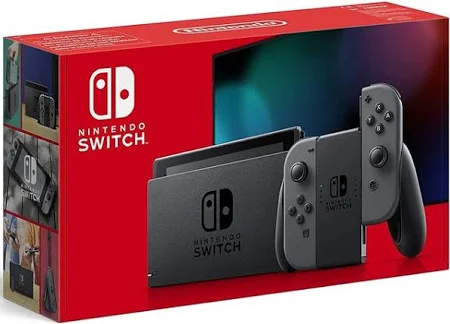
Mis het niet! Bekijk de nieuwste Nintendo Switch-modellen en accessoires voor urenlang speelplezier.
JavaScript seems to be disabled in your browser. For the best experience on our site, be sure to turn on Javascript in your browser.
Please note: This is a test shop!
My Cart
Your cart is empty
Looks like you haven't made your choice yet.
Subtotal
Shipping and taxes calculated at checkout.
or View and Edit Cart →
Customer Login
Checkout using your account
Checkout as a new customer
Creating an account has many benefits:
In the past, developers made games, players played them. Simple. But with social media, forums, and live services, the balance of power has changed. Gamers now influence development more than ever—but that influence can be both helpful and harmful.
Every update, feature, or monetization choice is met with instant online feedback. Sometimes that’s great—developers can adjust quickly. But too often, passionate feedback turns toxic. The line between constructive criticism and harassment is thin.
In many modern games, players help shape the product. Titles like Minecraft, No Man’s Sky, or Warframe are heavily influenced by community input. Mods and fan-made tools extend a game’s life. The player is no longer just a consumer—they’re a co-creator.
On the flip side, developers often face crunch, unrealistic deadlines, and intense backlash. Games like Cyberpunk 2077 or Battlefield 2042 suffered massive post-launch criticism. When pressure piles up, both players and devs lose.
Some studios embrace openness: roadmaps, developer diaries, and public testing. Players respond well to honesty—even when things go wrong. Studios like Larian show that respectful communication can turn gamers into loyal advocates.
No one wins all the time. Gamers want content fast, developers need time to deliver quality. But when both sides engage respectfully, everyone benefits. Games are not just products—they’re shared experiences.
The relationship between developers and players is evolving. With trust and communication, it’s possible to go from opposition to collaboration. And that makes games better for everyone.