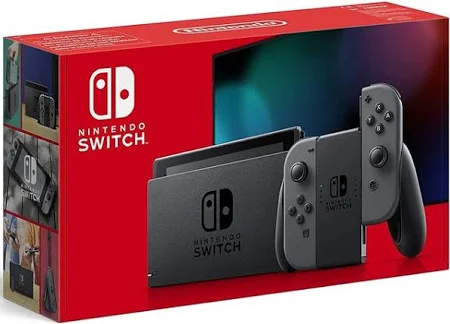
Mis het niet! Bekijk de nieuwste Nintendo Switch-modellen en accessoires voor urenlang speelplezier.
JavaScript seems to be disabled in your browser. For the best experience on our site, be sure to turn on Javascript in your browser.
Please note: This is a test shop!
My Cart
Your cart is empty
Looks like you haven't made your choice yet.
Subtotal
Shipping and taxes calculated at checkout.
or View and Edit Cart →
Customer Login
Checkout using your account
Checkout as a new customer
Creating an account has many benefits:
Retro games evoke powerful emotions. Their pixel art, chiptune soundtracks, and simple mechanics transport us to a time when gaming felt magical. It's not about advanced graphics or complex systems—it’s about the memories. A pixelated Mario can sometimes mean more than any photorealistic world.
Older games were born from strict limitations. Limited memory, few buttons, and simple visuals forced developers to be creative. That led to iconic designs and gameplay that remain beloved today. Think of the enduring appeal of Tetris, Pac-Man, or Super Mario Bros.
For many, retro games are tied to personal milestones: a first console, playing with siblings, beating that impossible boss after countless tries. These aren’t just games—they’re snapshots of another time. That emotional connection fuels our love for the classics.
Retro is trending again. From mini consoles like the SNES Classic to pixel-styled indies like Celeste, nostalgia has market power. Modern remakes of older titles—Final Fantasy VII Remake, Resident Evil 2—mix classic and modern in a way that appeals to both new and old players.
Game designers often intentionally tap into nostalgic aesthetics. But it's more than marketing. Games like Undertale or Stardew Valley use retro visuals and sound to tell stories with emotional weight and simplicity. It's a stylistic choice that enhances the experience, not just imitates the past.
Nostalgia can also deceive. Some classics don’t age well, and not every remake captures the original’s magic. There's a fine line between honoring the past and exploiting it. When done right, retro design elevates a game. When done wrong, it feels hollow.
Retro games prove that emotional connection can be stronger than realism. Nostalgia transforms simple mechanics into meaningful experiences. As long as players cherish their gaming roots, retro will remain a powerful force—pixel by pixel.