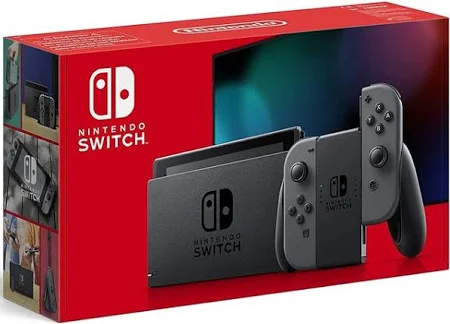
Mis het niet! Bekijk de nieuwste Nintendo Switch-modellen en accessoires voor urenlang speelplezier.
JavaScript seems to be disabled in your browser. For the best experience on our site, be sure to turn on Javascript in your browser.
Please note: This is a test shop!
My Cart
Your cart is empty
Looks like you haven't made your choice yet.
Subtotal
Shipping and taxes calculated at checkout.
or View and Edit Cart →
Customer Login
Checkout using your account
Checkout as a new customer
Creating an account has many benefits:
When people call a game “addictive,” they usually mean it’s engaging and hard to stop playing. But what exactly makes a game keep us hooked? The answer lies in psychology, smart design, and the science of reward.
Games give rewards: XP, items, levels, achievements. Especially random rewards—like loot boxes or rare drops—are powerful. They tap into the same brain systems as gambling. You never know when you’ll get something great, so you keep playing.
A strong sense of progression keeps players invested. Leveling up, completing missions, or unlocking new content gives small dopamine boosts. And the game always teases “just one more” milestone—making it easy to keep going.
In online games, limited-time events and competitive ladders create urgency. If you miss a day, you miss rewards. Your friends or team might count on you. That fear of missing out keeps players logging in.
Many games encourage routine with daily bonuses, quests, or timers. Over time, logging in becomes automatic. The game becomes part of your daily rhythm—just like checking your phone.
Addictiveness isn’t always negative. Many players enjoy structure and consistency. But if gaming interferes with work, health, or relationships, it becomes a problem. Awareness and balance are key.
Addictive games use feedback loops, social systems, and psychological design to keep us engaged. Recognizing these elements helps us enjoy games—without letting them control us.